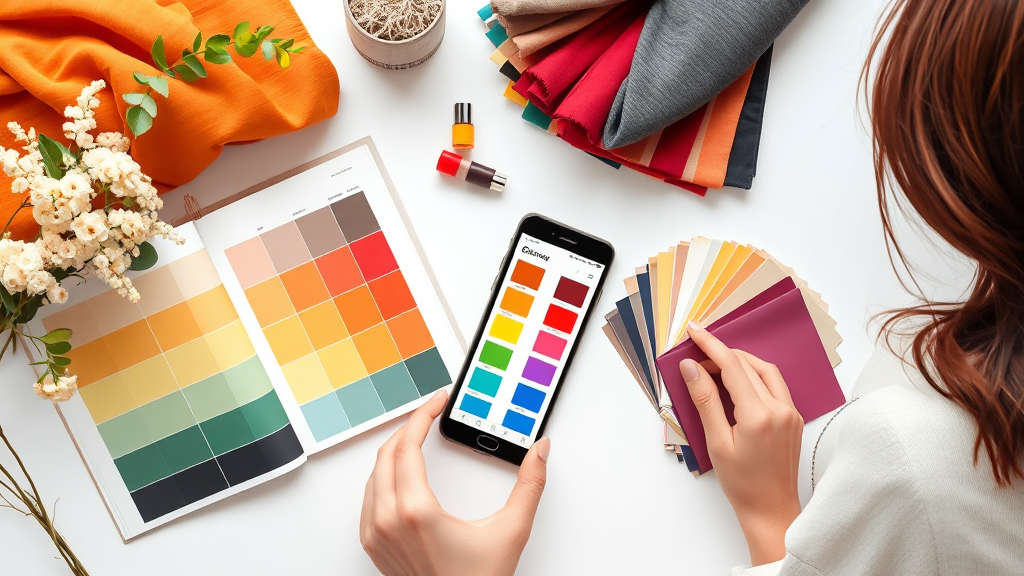
How a Color Season Quiz Can Transform Your Wardrobe and Confidence
Have you ever stood in front of a full closet, yet felt like you have nothing to wear? Or bought a trendy top only to realize it makes your skin look washed out? The problem might not be your style—it could be your colors. A color season quiz is the modern, science-backed way to discover which shades naturally harmonize with your complexion, hair, and eyes. By identifying your seasonal palette, you can simplify shopping, elevate your makeup game, and project confidence every single day.
In this guide, we’ll walk through everything you need to know about color season analysis—from the four classic seasons to the twelve-tone system, how to take a quiz effectively, and how to apply your results to fashion, beauty, and beyond. Whether you’re a curious beginner or a style enthusiast, this article will help you unlock the power of color.
What Is a Color Season Quiz?
A Color Analysis by BeautyLiesTruth – color season analysis – color analysis – color analysis quiz – Links is a structured set of questions designed to evaluate your undertones, contrast level, and eye color to place you into one of four seasonal categories: Spring, Summer, Autumn, or Winter. Each season has a unique set of colors that flatter people in that group. For example, Springs often glow in warm, bright pastels, while Winters look stunning in cool, jewel-toned shades.
The concept of seasonal color analysis has been around since the 1980s, but it has recently surged in popularity thanks to social media and online tools. Unlike a professional draping session, a quiz offers a convenient, affordable starting point. Many online quizzes, including the one offered by Color Analysis by BeautyLiesTruth, use a combination of self-reported features and AI to estimate your season. But keep in mind: the best results come from honest answers and good lighting.
Why Your Color Season Matters
Your color season analysis is not just about aesthetics—it’s about harmony. When you wear colors that match your undertone, your skin looks brighter, your eyes appear clearer, and your overall appearance seems more vibrant. Conversely, wearing the wrong shades can create shadows, emphasize redness, or make you look tired.
Beyond beauty, your palette can save you time and money. Instead of impulse-buying clothes in every hue, you can focus on a curated set of colors that always work together. This makes mixing and matching effortless, reduces decision fatigue, and helps you build a capsule wardrobe that feels both personal and polished.
The Four Seasons: A Quick Overview
Before diving into a quiz, it helps to understand the basic framework. The four seasons are:
- Spring: Warm undertones, light-to-medium contrast, and a fresh, golden glow. Colors like coral, peach, warm yellow, and light turquoise.
- Summer: Cool undertones, soft contrast, and a delicate, rosy complexion. Colors like dusty pink, lavender, soft blue, and rose beige.
- Autumn: Warm undertones, high contrast, and earthy richness. Colors like olive, rust, mustard, and deep teal.
- Winter: Cool undertones, high contrast, and striking clarity. Colors like true red, royal blue, emerald, and pure white.
Of course, real life is more nuanced. That’s why many systems expand into 12 or 16 sub-seasons, such as “Soft Summer” or “Bright Spring.” A detailed color analysis can pinpoint your exact sub-season, giving you an even more precise palette.
How to Take a Color Season Quiz for Accurate Results
Taking a color analysis quiz is simple, but for the most accurate outcome, follow these tips:
- Use natural lighting: Stand near a window, not under fluorescent or yellow lights, which can distort your skin tone.
- Go makeup-free: Remove foundation, blush, and lipstick so your true undertone is visible.
- Wear neutral clothing: A white or gray top is best—avoid colored tops that reflect onto your face.
- Answer honestly: Don’t choose colors you like; choose ones that make your skin look healthier.
- Take multiple quizzes: Compare results from a few reputable sources to see a pattern. The color analysis test on Beauty Lies Truth is a great place to start.
Remember, no quiz is 100% perfect. It’s a guide, not a verdict. Use your intuition and real-world feedback to refine your palette.
Applying Your Personal Color Palette
Once you know whether you’re a “True Summer” or a “Warm Autumn,” it’s time to put that knowledge to work. Here’s how to apply your what is my color season results across different areas:
Fashion
Your seasonal color analysis can guide your clothing purchases. Start with basics—t-shirts, blazers, and jeans—in your core palette. Then add statement pieces in your most flattering accent colors. For instance, a Winter can rock a scarlet dress, while a Summer might prefer a dusty blue blouse.
Makeup
Your find my color season results also translate to cosmetics. Springs look great in peach blush and coral lips; Summers shine in rose and mauve; Autumns suit terracotta and bronze; Winters pull off bold berry and true red. The right lipstick can instantly brighten your entire face.
Hair Color
If you’re considering a new hair shade, your season matters. A color palette quiz can hint at whether warm caramel, cool ash, or rich espresso will suit you best. For example, a Winter might look striking with jet black or silver, while an Autumn could glow with golden brown or copper. color analysis quiz no photo
Online Color Analysis: Pros and Cons
With so many color analysis online tools available, it’s easy to get a quick answer. But how reliable are they? Let’s break it down:
- Pros: Free or low-cost, instant results, private, and a great starting point for beginners.
- Cons: Can’t account for lighting, camera quality, or screen color calibration. They also rely on self-assessment, which can be biased.
To get the best of both worlds, use an online quiz to narrow down your possibilities, then confirm with a professional stylist or by draping fabrics yourself. The color analysis for skin tone offered by Beauty Lies Truth is a helpful first step.
Color Analysis for Every Aspect of Your Look
Your palette extends beyond clothing and makeup. Here’s how to use your season for a cohesive style:
Accessories
Jewelry metals matter: Springs and Autumns shine in gold, while Summers and Winters prefer silver or platinum. Eyeglass frames, scarves, and handbags can all be chosen to harmonize with your season.
Nail Polish
Your color analysis hair and skin tone influence which nail colors look best. A Summer might adore a soft ballet pink, while an Autumn could rock a burnt orange.
Home Decor
Even your living space can benefit! Surrounding yourself with your season’s colors can create a comforting environment that feels like “you.”
Common Mistakes to Avoid
When exploring color analysis makeup and fashion, people often make these errors:
- Ignoring undertones: Surface skin color (fair, medium, dark) is less important than undertone (warm, cool, neutral).
- Relying on one quiz: Different quizzes may give different results. Cross-reference to find consistency.
- Sticking too rigidly: Your palette is a guide, not a rulebook. You can still wear any color if you love it—just balance it with your best shades.
How to Use a Color Analysis Quiz for Fashion and Style
Your color analysis fashion journey begins with the quiz, but it doesn’t end there. Use your results to create a mood board on Pinterest, shop with a color card, or ask a friend to help you identify which colors get compliments. Over time, you’ll build an instinct for what works.
Whether you’re updating your work wardrobe or planning a special event, your color analysis style is your secret weapon. It’s a color analysis personal roadmap that ensures every outfit feels intentional.
Free vs. Paid Color Analysis
Many people search for a color analysis free option, and that’s totally valid. Free quizzes give you a baseline without any commitment. However, if you want a deeper dive, professional services—like those at Beauty Lies Truth—offer comprehensive draping and personalized consultations. A color analysis no photo quiz is also great for privacy-conscious users.
Frequently Asked Questions
Can I take a color analysis quiz without uploading a photo?
Yes! Many online quizzes, including the one at Beauty Lies Truth, offer a color analysis quiz free option that doesn’t require a photo. You answer questions about your features, and the algorithm estimates your season.
How accurate are online color analysis quizzes?
Accuracy varies. A well-designed quiz that asks about undertones, contrast, and eye color can be surprisingly accurate. However, lighting and screen settings can affect results. For best accuracy, take the quiz in natural light and answer honestly.
What is the difference between a color analysis quiz for women and for men?
The core principles are the same, but some quizzes tailor questions to gender-specific concerns like facial hair or makeup preferences. A color analysis quiz for women might ask about lipstick shades, while a color analysis quiz for men might focus on tie colors or shirt tones.
Can I use my color season for both makeup and clothing?
Absolutely. Your color analysis quiz for skin tone applies to both. For example, a Spring’s coral lipstick echoes their best clothing colors, creating a cohesive look. The same goes for color analysis quiz for hair and color analysis quiz for eyes—your palette should harmonize all your features.
How do I know if I’m warm or cool toned?
Check the veins on your wrist: if they appear greenish, you’re likely warm; if bluish, cool. Also, see whether gold or silver jewelry looks better on you. A color analysis quiz for makeup can also help you decide.
Final Thoughts
Discovering your color season is more than a fun internet trend—it’s a practical tool for self-expression. By taking a color analysis quiz online and applying the results to your color analysis quiz for fashion, you’ll not only look better but feel more confident in your own skin. So why not give it a try? You might be surprised at how a few carefully chosen colors can transform your entire presence.